Skip to content
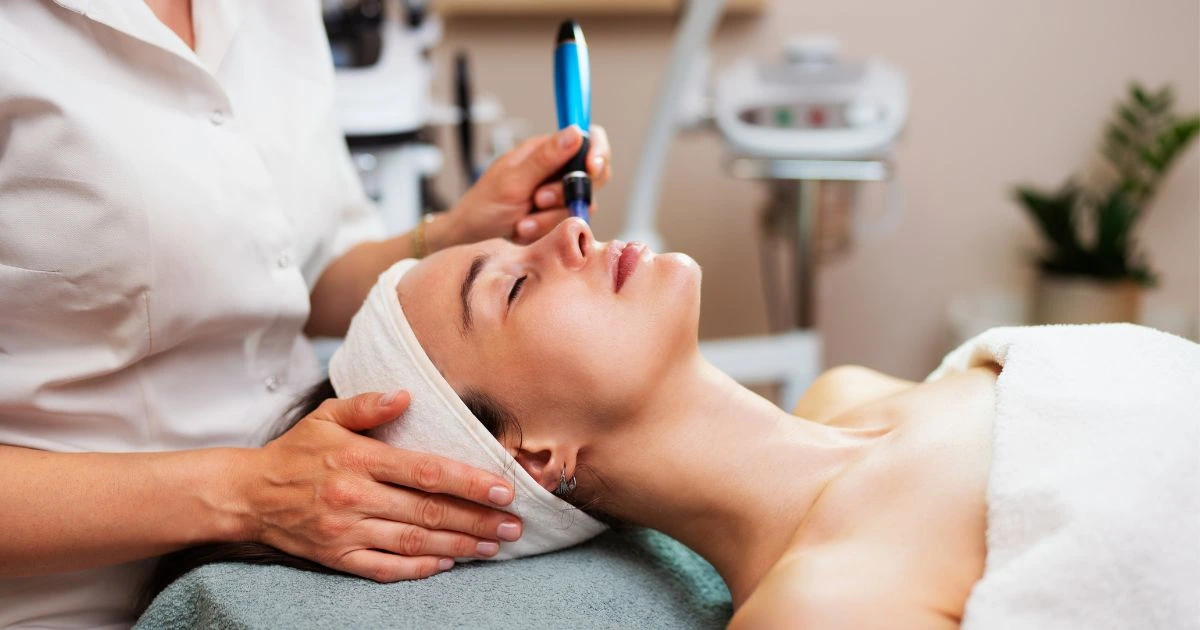
Table of Contents
If you’ve been exploring options for skin rejuvenation techniques, you’ve likely come across both Neogen Plasma treatment and traditional skin resurfacing. For adults concerned with fine lines, wrinkles, uneven texture, and other signs of aging, choosing the proper method can feel overwhelming. Add to that the desire to avoid long recovery times, invasive procedures, or unwanted side effects, and the decision becomes even more complicated.
At Skin & Tonicin Pace, FL, we help patients weigh the benefits and considerations of Neogen plasma vs laser resurfacing so they can make an informed choice that fits their goals, skin type, and lifestyle. Whether you’re seeking subtle improvements or dramatic results, understanding how these treatments differ is key to finding the right solution.
Understanding Skin Resurfacing
Skin resurfacing is designed to improve the overall appearance, texture, and tone of your skin. Over time, exposure to sunlight, environmental stressors, and natural aging can cause fine lines, wrinkles, uneven pigmentation, and enlarged pores. Resurfacing treatments target these concerns by stimulating collagen production, smoothing the skin’s surface, and promoting natural repair.
The benefits extend beyond aesthetics. Improved skin texture can boost confidence and support healthier skin over the long term. Today, non-surgical methods have advanced significantly, offering results comparable to those of invasive procedures with minimal downtime. For anyone evaluating anti-aging skin treatments, it’s helpful to understand the technologies behind the options available.
What is Neogen Plasma Treatment?
Neogen Plasma treatment, also called Plasma Skin Regeneration (PSR), is a non-surgical option that uses plasma energy to resurface the skin. Plasma is created by heating nitrogen gas, which is then delivered to the skin in precise pulses. Unlike ablative laser treatments that remove skin layers, Neogen Plasma works below the surface, triggering your body’s natural healing response and stimulating collagen and elastin production.
One of the main benefits of this approach is its minimal downtime. Patients often notice improvements after a single session, with continued enhancement over weeks as collagen remodels. The treatment is highly versatile, effective for smoothing fine lines, tightening sagging areas, and evening out skin tone. It is particularly suitable for treating:
- Sun damage and hyperpigmentation
- Fine lines around the eyes and mouth
- Enlarged pores
- Acne scars and post-inflammatory marks
Neogen Plasma treatment is gentle yet effective, making it a strong option for those seeking non-surgical skin resurfacing that delivers noticeable results without the prolonged recovery associated with traditional laser treatments.
What is Traditional Laser Resurfacing?
Traditional skin resurfacing typically involves laser technology that removes the outer layers of damaged skin. These treatments have been used for decades and are known for producing reliable results in reducing wrinkles, scars, and pigmentation issues. Types of laser resurfacing range from fractional CO2 lasers to erbium-based lasers, each with varying depths, intensities, and recovery times.
The main advantages of laser resurfacing include its proven effectiveness and availability. For patients seeking dramatic improvements in a controlled session, lasers can deliver significant results. However, the procedure often comes with more extended recovery periods, temporary redness or swelling, and the potential for side effects such as hyperpigmentation, especially for those with darker skin tones.
Patients must carefully consider the balance between results and downtime. Laser resurfacing is often best suited for individuals who are willing to commit to a longer healing process and whose skin concerns align with the treatment’s capabilities.
Comparing Neogen Plasma vs. Laser Resurfacing
When evaluating Neogen plasma vs laser resurfacing, several factors come into play:
Effectiveness: Both treatments improve skin texture, reduce fine lines, and promote collagen production. Neogen Plasma is precise and ideal for targeted areas such as crow’s feet or eyelids, whereas traditional lasers can treat broader regions in a single session.
Downtime and recovery: Neogen Plasma generally offers quicker recovery, with most patients returning to normal activities within a few days. Laser resurfacing may require up to two weeks for redness and peeling to subside, making it less convenient for those with busy schedules.
Safety and side effects: Neogen Plasma is non-ablative, meaning it preserves the skin’s surface, reducing the risk of complications and minimizing irritation. Laser resurfacing carries a slightly higher risk of temporary redness, swelling, or pigmentation changes but remains safe when performed by experienced practitioners.
Ideal candidates: Neogen Plasma works well for individuals with mild to moderate signs of aging, sun damage, or acne scars, particularly those seeking minimal downtime. Traditional laser resurfacing is suitable for patients with more extensive concerns who can accommodate a longer healing period.
By considering these aspects, patients can determine which method aligns with their priorities, whether it’s fast recovery, targeted treatment, or broader rejuvenation.
Choosing the Right Treatment for Your Skin
Selecting between Neogen Plasma treatment and traditional laser resurfacing ultimately depends on your skin type, aging concerns, and lifestyle. Here are a few points to consider:
- Skin type: Lighter to medium skin tones respond well to both options, though Neogen Plasma is particularly gentle on sensitive areas.
- Desired results: For subtle tightening and gradual improvement, Neogen Plasma offers a natural-looking enhancement. If dramatic resurfacing is your goal, laser treatments may deliver more immediate, noticeable results.
- Lifestyle: Those with busy schedules or limited downtime often prefer the shorter recovery of Neogen Plasma.
- Tolerance for downtime: Laser resurfacing may require planning around work or social commitments due to temporary redness and peeling.
The best approach is to consult a professional who can evaluate your skin, review your goals, and recommend a personalized treatment plan.
Finding Your Ideal Skin Solution
When deciding between Neogen plasma vs laser resurfacing, the key is to weigh the benefits against your personal priorities. Both treatments offer practical ways to combat wrinkles, fine lines, and uneven texture, yet they differ in precision, recovery time, and suitability for sensitive skin.
If you’re looking for non-surgical skin resurfacing with minimal downtime and natural results, Neogen Plasma treatment may be the ideal choice. Conversely, if you’re seeking more dramatic improvement and can manage a longer recovery time, traditional laser resurfacing might be a better fit for your needs.
Ready to Transform Your Skin?
Selecting the right skin rejuvenation technique doesn’t have to be complicated. By understanding the differences between Neogen Plasma treatment and traditional laser resurfacing, you can make an informed decision that aligns with your goals, skin type, and recovery preferences.
If you’re curious about how Neogen plasma and laser resurfacing can address your specific concerns, schedule a consultation at Skin & Tonic. Our specialists will review your needs and recommend the most suitable approach for improving texture, tone, and overall radiance.
Book your Neogen Plasma consultation today! With the proper guidance and professional support, achieving youthful, radiant skin can be straightforward and effective without the stress of invasive procedures or prolonged downtime.